


Author
Cormac Mannion (Type-IIx)
Date
Thursday, March 05 2026
Table of contents
Bulletproof Joints - BPC-157 and Cissus quadrangularis
Introduction
Injuries to Joints and Connective Tissues
BPC-157
BPC-157’s Effects on Connective Tissue and Blood Vessels
Cissus quadrangularis
Cissus quadrangularis’ Effects on Bone
Cissus quadrangularis’ Effects on Joint Pain and Inflammation
Cissus quadrangularis’ Effects on the GI System and Stomach
Cissus quadrangularis’ Effects on Metabolism, Lipids, and Blood Glucose
BPC-157 vs. Cissus – How Do They Stack Up Head-to-Head?
Practical Considerations
Dosing, Safety, and Regulatory Status
Conclusion
Key Takeaways
BPC-157 Key Points
Summary
About the Author
Sign Up for Type-IIx’s Newsletter
References
Bulletproof Joints - BPC-157 and Cissus quadrangularis
Introduction
BPC-157 (Bepecin) is the abbreviation for body protection compound 157, a synthetically-produced 15 amino acid fragment isolated from the endogenous “body protection compound” (BPC, disambiguation). [1] Its progenitors noted its promise as a prototype for a new drug class (a protodrug) of novel organoprotective agents. [1-1] BPC-157 enjoys good bioavailability through all routes, local and systemic, oral, topical, or injection. [2] Despite a dearth of controlled trials or published human studies, BPC-157 is a popular grey market supplement.
The announcement of BPC-157’s first synthesis coalesced into something more: the investigation was led by a Croatian team under Sikirić, who isolated then synthesized the first BPC-157. In this drug discovery announcement, Sikirić’s first reference, his footnote 1, cites Hans Selye, the father of the General Adaptation Syndrome (GAS). Sikirić’s main hypothesis was that the gut, the stomach, is a neuroendocrine organ that acts as the central regulator of noxious stress pathology. [1-2] [3] Noxious stress pathology refers to extreme outcomes brought about by excessive corticosteroids (like cortisol) that, left unchecked, manifest into, e.g., vascular lesions, severe hypertension, myocardial and joint lesions, nephrosclerosis, and/or nephritis. .[3-1]
The centrality of Hans Selye’s General Adaptation Syndrome to the very first identification and experiments with BPC-157 underscore its potential benefits for long-term training and recovery. To study whether BPC-157 could prevent stress reactivity, Sikirić and his team put experimental animals through a gauntlet, from forced restraint then inhalation of formaldehyde, to causing severe burns and drowning, BPC-157 demonstrated remarkable adaptogenic potency. [1-3]
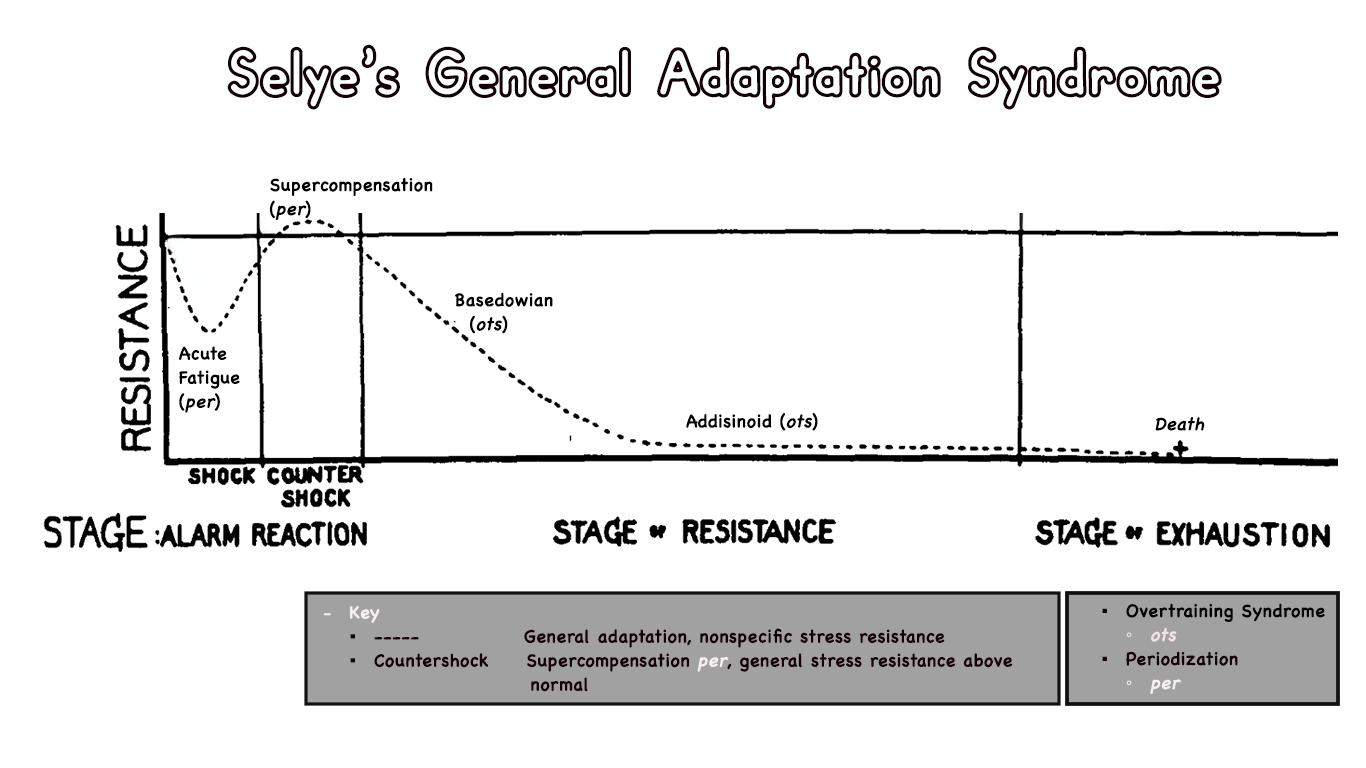
Figure 1: Modified (Selye) to overlay Overtraining Syndrome and Periodization concepts to Selye’s own General Adaptation Syndrome work [3-2]
BPC-157’s positive effects on collagen metabolism, soft tissue and musculoskeletal function is then related to the framework of periodization which arose, too, out of Selye’s theory of General Adaptation Syndrome. [4] Periodization is the study of the temporal structure that guide the training direction, and differs from training programming, the micro-level implementation of the training variables to effect preparedness (for training) and readiness (for competition). [4-1] Training planning, on the other hand refers to the construction of the annual plan: the integration of the periodization structures (organization) with definite competition and training activities that precede programming. [4-2]
It is beyond the scope of this article to discuss periodization at length (perhaps a future article or series). Refer to Periodization for Bodybuilding for an article about how it applies to bodybuilding.
Cissus quadrangularis is a medicinal plant native to India and Africa that has been used for centuries to treat bone fractures and osteoporosis in Ayurvedic traditional medicine. [5] Besides its positive effects on bone metabolism, Cissus promotes metabolic health, weight management, and its efficacy for reversing dyslipidemia is comparable to simvastatin and gemfibrozil. [5-1] [6] Cissus defies the skeptics, boasting an impressive resumé besides centuries of traditional medical use, but many published human trials, too, attest to its efficacy. Cissus stimulates new bone formation and prevents bone resorption, blocks inflammatory cytokines, increasing bone mineral density, healing fractures, and reducing joint and bone pain and stiffness.
Injuries to Joints and Connective Tissues
In anatomy and physiology, a joint is the junction where two or more bones come together, allowing for locomotion. Ligaments connect bones to bones and tendons connect bones to muscles. Locomotion, or human movement, occurs when muscles contract, pulling on tendons that rotate bones about joints. Joints are not only pulled on by tendons but ligaments, too, which help to stabilize the joint, and surround it.
Related Articles
For an overview of how the classical anabolics, anabolic-androgenic steroids and growth hormone, affect collagen, connective tissues, and collagen metabolism, refer to Anabolic Steroids and Growth Hormone: Their Impact on Bones, Tendons, Ligaments, and Joints.
The majority of injury complaints of a sporting nature, and this includes lifting heavy weights, result from some degree of tear in the fibres that comprise the musculotendinous unit. [2-1] After such a tear occurs, the healing timeline can vary significantly depending on factors that include the cellular composition and vascularity of the tissue(s). [2-2] Due to a limited blood supply, the spontaneous healing of tendons and ligaments is especially poor. [2-3] Note that what are colloquially called “strains” or “pulls,” even mere delayed-onset muscle soreness (DOMS), are all low grade tears. [7] Insulin-like growth factor, platelet-derived growth factor, transforming growth factor-β (TGF-β), fibroblast growth factor and vascular endothelial growth factor (VEGF) are prominently involved in the tendon healing process. [8]
BPC-157
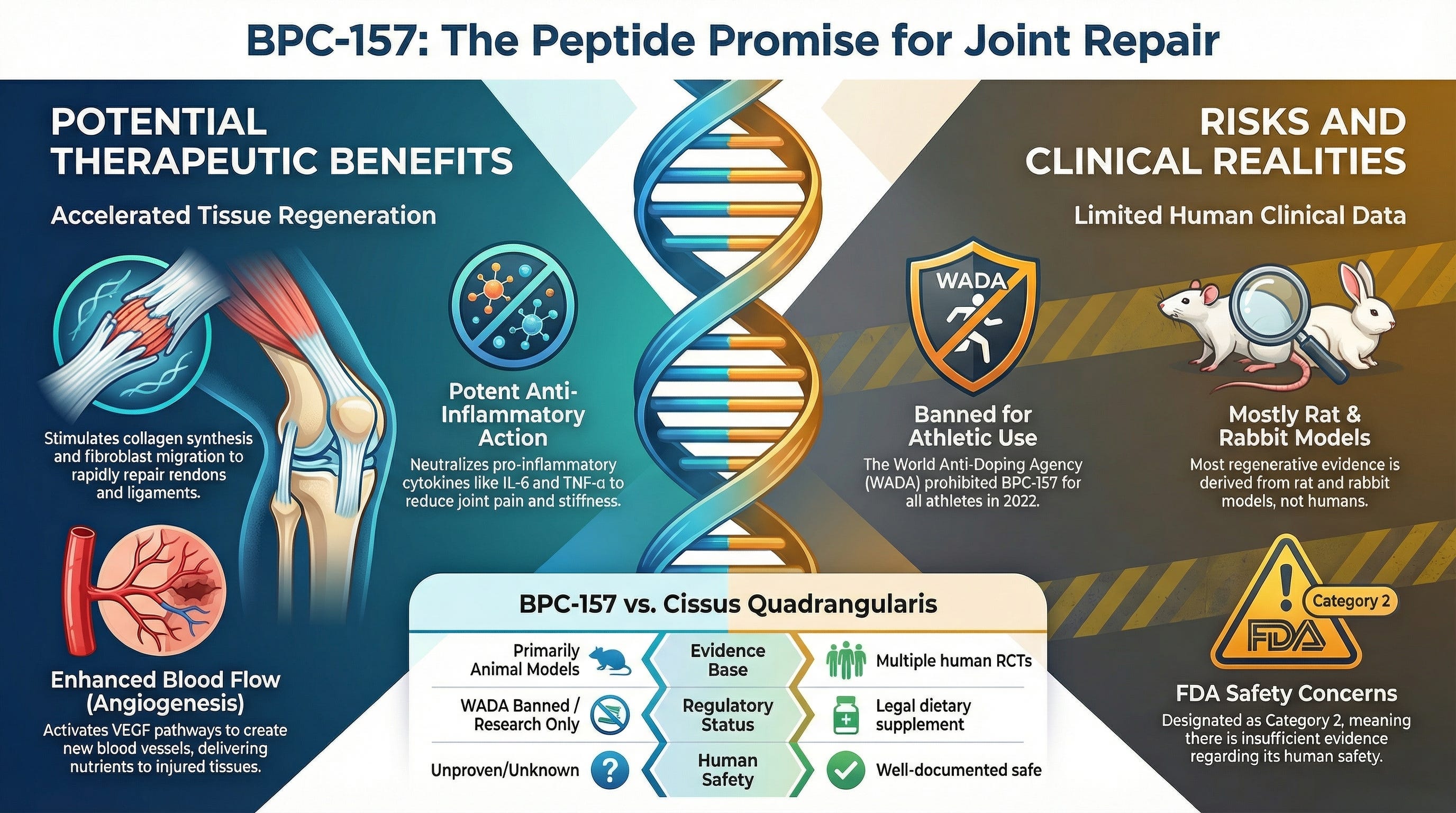
Figure 2: Infographic overview of BPC-157’s benefits and risks
Key BPC-157 Effects
Tissue Repair
Anti-Inflammation
Gastroprotection
BPC-157’s Effects on Connective Tissue and Blood Vessels
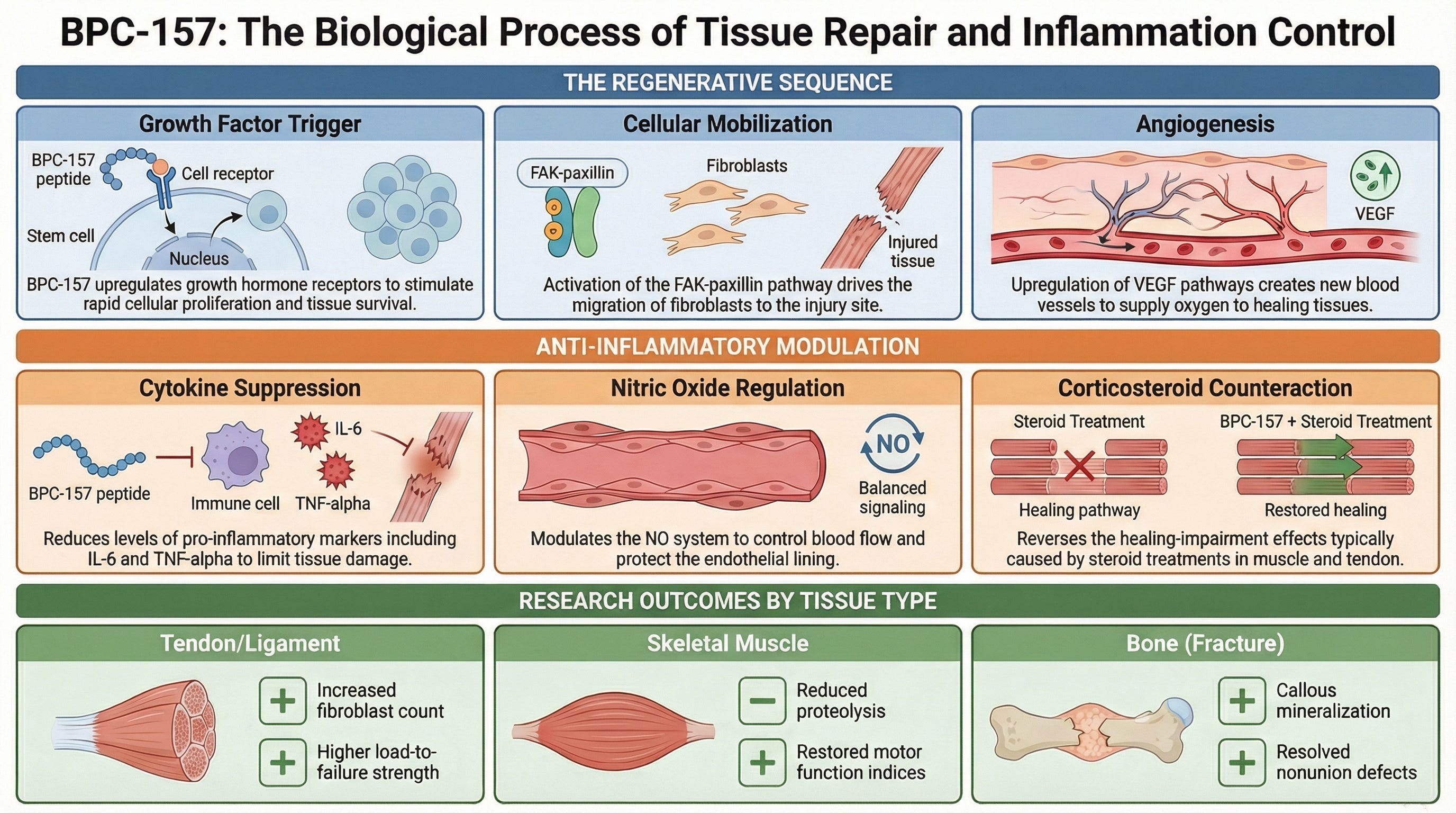
Figure 3: BPC-157’s effects on tissue repair and inflammation control
The reason tendon and ligament ruptures often require invasive surgery with long recoveries, unlike skeletal muscle with its outstanding regenerative capacity, boils down to their being poorly vascularized. [2-4]
BPC stands apart, able to stimulate angiogenesis (new blood vessel formation) through activation of the VEGFR2-Akt-eNOS signaling cascade as confirmed using different animal, and in vitro human vascular endothelial cells. [9]
BPC-157 accelerates tissue repair by stimulating collagen synthesis and modulating inflammation and blood flow in sinews, muscle, and bone. Figure 3. Its pluripotent effects on angiogenesis, cell survival, blood flow, and inflammation are shown in Figure 4. [10]
BPC-157 increases growth hormone (GH) receptor expression in tendon and attenuates inflammatory responses by ↓ proinflammatory cytokines, specifically interleukin-6 (IL-6) and tumor necrosis factor-alpha (TNF-α). [8-1] .[10-1] At the molecular level, the peptide ↓ cyclooxygenase-2 (COX-2) gene expression and ↓ myeloperoxidase activity. [10-2]
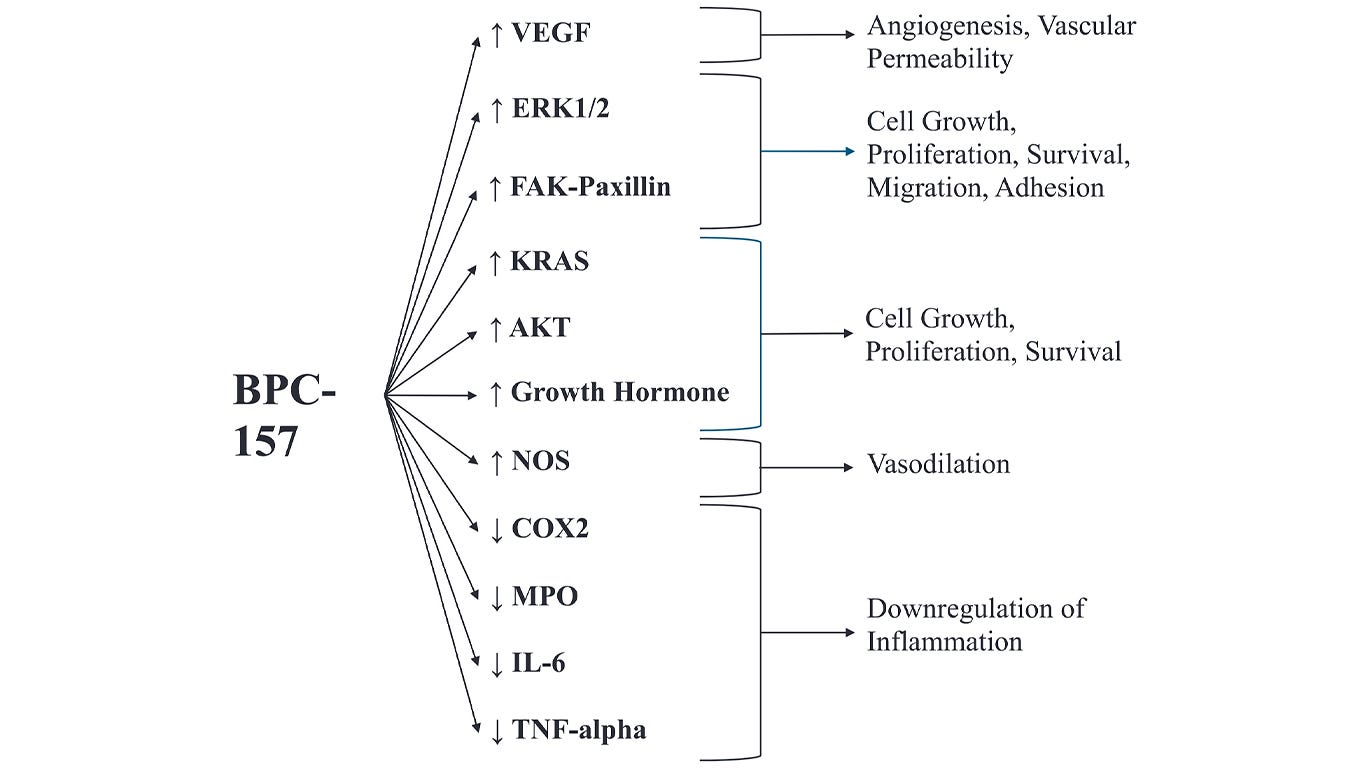
Figure 4: Flowchart showing BPC-157 signaling pathways
BPC-157 is gastroprotective, preventing and reducing gastric lesions like peptic ulcers by protecting the gastric endothelium (the lining of blood vessels) from stress. [1-4]
Cissus quadrangularis
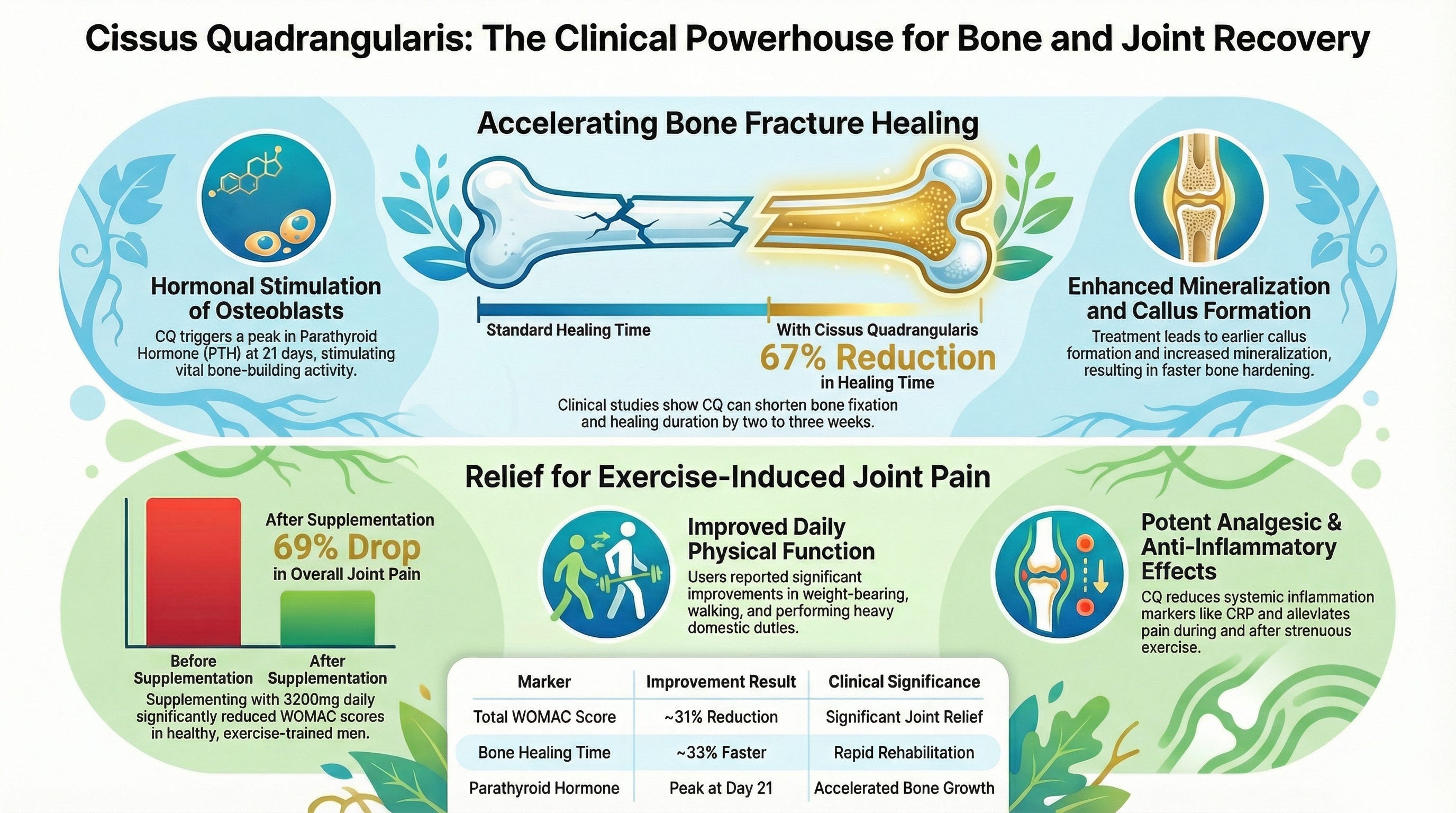
Figure 5: Cissus infographic showing effects on bone and joint
Key Cissus Effects
Bone Anabolic
Analgesic and Anti-Inflammatory
Gastroprotective
Metabolic Benefits
Antidyslipidemic
Cissus quadrangularis is a medicinal plant indigenous to Asia and Africa, employed for centuries in traditional medicine. [6-1] [5-2] In Ayurvedic medicine, the plant is designated “Hadjod” (bone setter), indicating its traditional use for bone healing. [6-2] [5-3] Traditional healers use the stems, roots, and leaves for treating bone fractures and osteoporosis, dyspepsia (stomach upset), and weight control. [6-3] [5-4]
Cissus contains a diverse array of chemical constituents, including steroids, flavonoids, stilbenes, iridoids, triterpenes, and gallic acid derivatives. [11] Phytochemical investigations have identified flavonoid derivatives such as quercetin and kaempferol, stilbenes including resveratrol and piceatannol, and triterpenes. [11-1]
Cissus quadrangularis‘ Effects on Bone
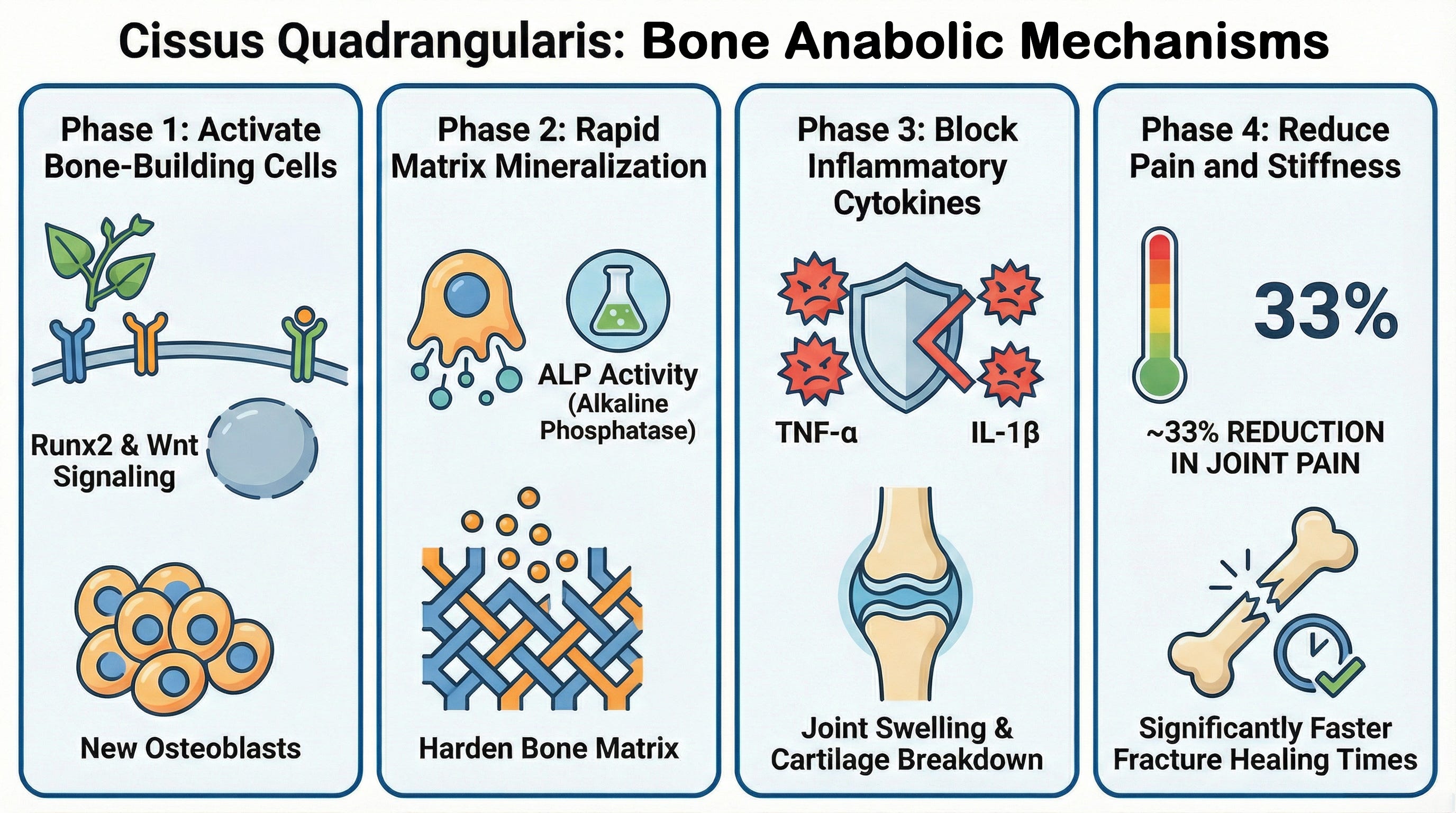
Figure 6: Cissus’ bone anabolic effects are from bone osteogenic, antiresorptive, and anti-inflammatory pathways.
Bone Anabolic: Cissus’ positive influence on bone metabolism is generally attributed to its 3-ketosteroids contents, the same class of anabolic steroid as most anabolic steroids, but without significant androgenic side effects. [5-5] Its benefits are greater than the sum of the effects from these naturally-occurring steroids, though, and it contains a plethora of active constituents including steroids, flavonoids, terpenoids, stilbenes, iridoids, gallic acid derivatives and vitamins. [5-6] Recent investigations point particularly to the activities of its β-sitosterol, α-amyrone, and friedelin phytosterols. [11-2]
In humans, applying a Cissus paste to fractured bone shortened healing time by about two (2) weeks (Udupa and Prasad, 1962). [5-7] It has been shown to increase bone density, thickness, and hardness (Aswar et al., 2012). [5-8]
Biochemically, it positively influences the proliferation, differentiation, and mineralization of human osteoblast-like SaOS-2 cells (Muthusami et al., 2011). [5-9] It increases mRNA expression of insulin-like growth factors (IGF-1, IGF-2, and IGF-1R), which are components involved in bone regulation (Muthusami et al., 2011). [5-10] Cissus increases serum parathyroid hormone (PTH). [12] While sustained elevations to PTH typically promotes bone resorption, Cissus may enhance bone formation by promoting PTH pulsatility and upregulating insulin-like growth factor 1 (IGF-1) pathways. [12-1]
Cissus quadrangularis‘ Effects on Joint Pain and Inflammation
Analgesic and Anti-Inflammatory: Cissus impressively reduced joint pain to the tune of 33% in resistance training men. [13] It reduces pro-inflammatory mediators including TNF-α, interleukin-1 beta (IL-1β), and interleukin-6 (IL-6) (Banu et al., 2012). [5-11] In the pilot study on exercise-trained men where 3,200 mg was taken daily for eight (8) weeks, specific improvements were noted for pain during walking (~ 40%) and weight-bearing activities (~ 33%). [13-1] Notable improvements were found in getting in/out of a car (~ 40%) and performing heavy duties (~ 43%) with pain reductions during upper body exercise (~ 38%) and lower body exercise (~ 30%). [13-2]
While systemic inflammation (measured via C-reactive protein [CRP]) decreased by ~ 30%, this change did not reach statistical significance, possibly due to the small sample size. [13-3] The authors concluded that Cissus is a safe and effective supplement for reducing joint pain in young, healthy, exercise-trained men. (Bloomer et al., 2013, p. 29, 31 - 34). [13-4]
Cissus quadrangularis‘ Effects on the GI System and Stomach
Gastroprotective: Cissus acts as a proton pump inhibitor (PPI), the same class of drug as Prilosec, Nexium, and Prevacid. [5-12] A methanol extract (95%) of Cissus showed proton pump inhibitory activity comparable to the drug omeprazole (Yadav et al., 2012). [5-13] The optimal dose of 500 mg/kg was about 70% as effective as an optimal dose of the drug ranitidine (Jainu and Devi, 2006). [5-14] This mechanism is believed to be the primary mechanism of gastroprotection by Cissus.
Androgens significantly enhance the susceptibility of the gastric mucosa to the peptic action of gastric juice, while estrogens appear to have a protective effect. [14] This is the reason AAS cause heartburn, especially the more potent androgens and nonaromatizables! If left untreated, this enhanced susceptibility can progress to acid reflux, gastroesophageal reflux disease (GERD), and peptic ulcer.
Cissus quadrangularis’ Effects on Metabolism, Lipids, and Blood Glucose
Metabolic Benefits and Weight Management: Based on meta-analyses, the quality of evidence for weight reduction, LDL, total cholesterol, and fasting blood glucose levels was rated as moderate to high. [6-4] Cissus’ anti-hyperglycemic and anti-lipidemic effects are associated with alpha-amylase, glucosidase, and lipase enzymatic activity and changes in tissues like the liver associated with fatty lipid and carbohydrate metabolism. [6-5]
When measuring the effects of Cissus combination products (such as CORE and CQ-IG, which include other ingredients like green tea, chromium, and Irvingia gabonensis), results were significant. [6-6] The pooled results for these combination products showed a weighted mean difference (WMD) in the following areas:
Body weight reduction: 5.19 kg (95% CI: -8.82, -1.55)
Low-density lipoprotein (LDL): 14.43 mg/dl reduction
Triglycerides : 37.50 mg/dl reduction
Total cholesterol: 50.50 mg/dl reduction
Fasting blood glucose: 10.39 mg/dl reduction
High-density lipoprotein (HDL): 16.69 mg/dl increase [6-7]
When Cissus quadrangularis extract was used alone (specifically the CQR formulation), the results were more limited: it significantly reduced LDL (-9.67 mg/dl), total cholesterol (-39.26 mg/dl), and fasting blood glucose (-8.94 mg/dl). [6-8]
BPC-157 vs. Cissus – How Do They Stack Up Head-to-Head?
BPC-157:
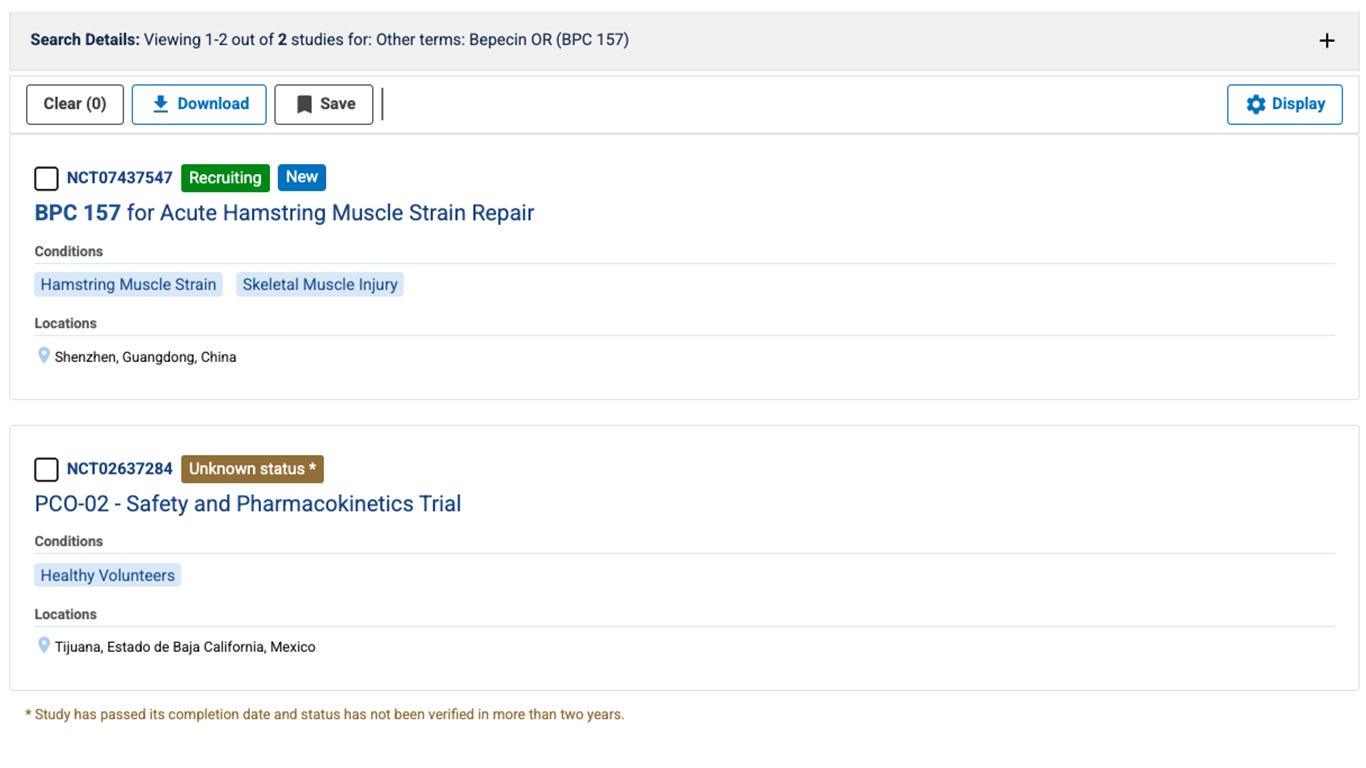
Figure 7: ClinicalTrials.gov search results for BPC-157 (Bepecin) showing only two registered studies.
BPC-157 research relies predominantly on animal models with minimal human data. One retrospective study of intra-articular BPC-157 injections for chronic knee pain reported that 7 of 8 patients (87.5%) experienced relief for more than 6 months [15] However, this study lacked a control group, randomization, or standardized outcome measures. [15-1] An internet search of clinicaltrials.gov underscores the dearth of reliable evidence, returning only two (2) results; one that may have began in Tijuana, Mexico in 2016 to investigate its safety and pharmacokinetics but was apparently abandoned and another in Shenzhen, China that’s currently enrolling participants. [16]
The sole published human study using BPC-157 is a retrospective one with 16 participants and no control group. [15-2] Using intra-articular injections into the knee, sometimes in combination with TB-4, BPC-157 effectively relieved multiple types of knee pain, such as osteoarthritis, meniscus tears, and ligament injuries. [15-3] Unlike corticosteroids, which typically offer short-term relief (1–4 weeks), 58.3% of the BPC 157 group reported durable relief lasting longer than 6 months with the potential to “repair tears, build cartilage and reduce the number of knee surgeries” rather than merely suppress inflammation. [15-4]
Cissus quadrangularis:
Cissus quadrangularis possesses substantially stronger clinical evidence. Multiple clinical studies reported that treatment at doses of 1.2 - 10 g/day for 4 - 12 weeks accelerated bone fracture healing without severe adverse events [6-9] [5-15]
An 8-week pilot study evaluated the effects of daily 3,200 mg supplementation of Cissus quadrangularis over eight weeks on 29 healthy, exercise-trained men experiencing chronic joint pain. The findings revealed a significant reduction (~ 31%) in overall joint pain and exercise-specific discomfort without adverse effects on clinical safety markers, suggesting Cissus may be a safe therapeutic aid for active individuals. Subject ratings for joint pain, stiffness, and physical function improved significantly. [13-5]
This study is particularly relevant because it examined the exact population of interest: trained individuals experiencing joint pain from resistance training, rather than elderly individuals with degenerative joint disease.
Comparative Assessment:
The disparity in evidence quality is the most striking difference between the two. The question is not whether BPC-157 works. It clearly works, we know how and why from animal data, and all signs point to its being effective in humans. But there’s a lot we don’t know still including human pharmacokinetics and safety.
Practical Considerations
Dosing, Safety, and Regulatory Status
BPC-157 Dosing:
The only published human trial used intra-articular injections of BPC-157 in a single bolus between 2 mg and 4 mg. [15-5]
Other Projects
Bolus
A Practical and Reference Guide for the Use of Human Growth Hormone and GH Secretagogues
For those interested in growth hormone and related pathways, my book, Bolus, covers the deeper science behind these anabolic mechanisms.
Other Projects
The Clenbuterol Handbook
How to Plan Your Clenbuterol Cycle: Expert Guide for Men & Women
For those interested in the power of clenbuterol, my digital download e-book, The Clenbuterol Handbook, covers the deeper science behind its potently enhancing the p-ratio.
Cissus quadrangularis Dosing:
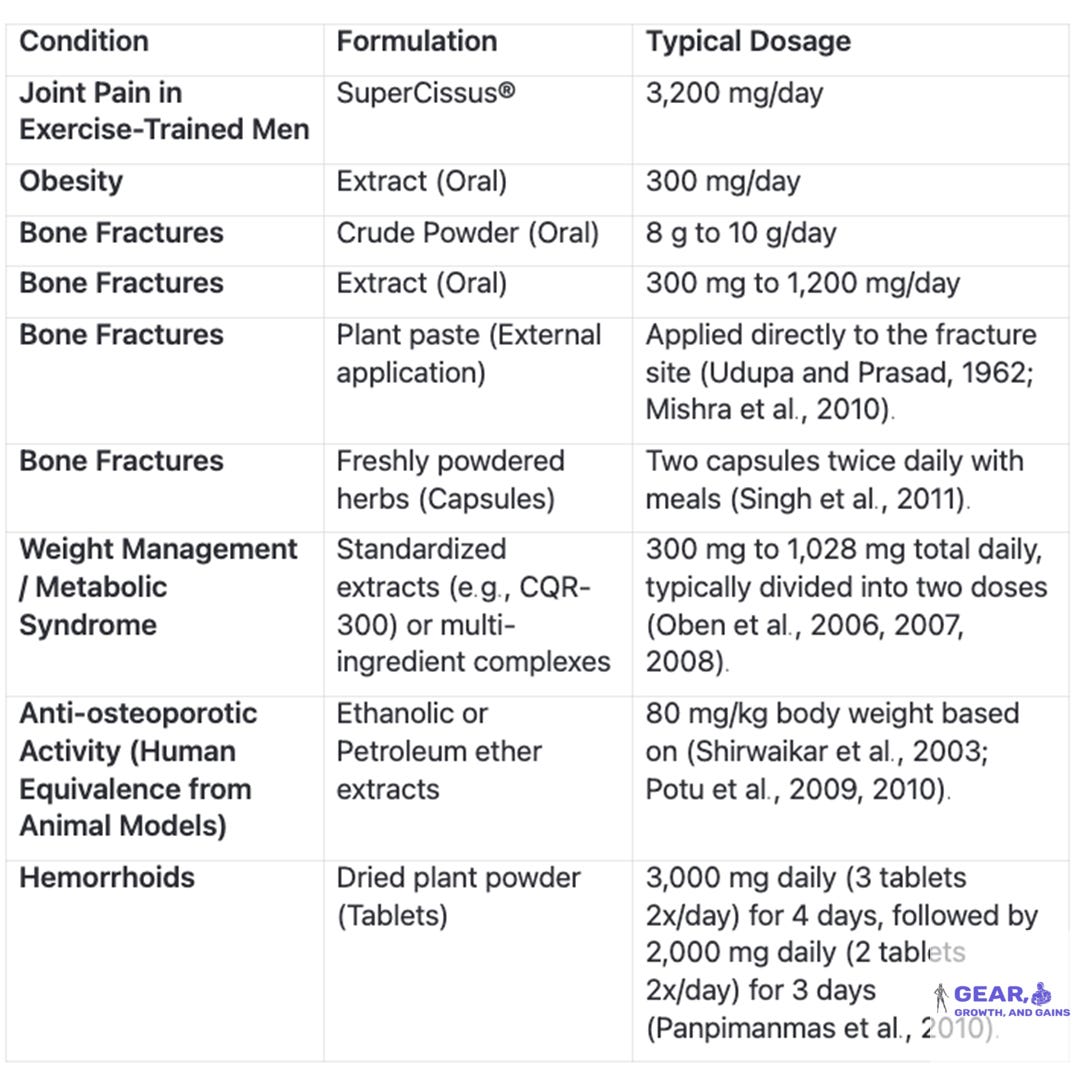
Table 1: Cissus quadrangularis dosing protocols by condition, formulation, and typical dosage [13-6] [6-10] [5-16]
Safety Profiles:
Cissus quadrangularis is well-tolerated with minor side effects including gas, diarrhea, dry mouth, and headaches similar to placebo. [13-7] [5-19] Clinical trials have safely used doses ranging from 300 mg to 3,200 mg per day. [13-8] [5-20]
Warning
No studies have assessed BPC-157 safety or adverse events in humans.
Regulatory Status:
BPC-157 exists in a regulatory gray area. It is not approved by the FDA for human use and is typically sold as a “research chemical” with disclaimers stating it is not for human consumption. The World Anti-Doping Agency prohibits BPC-157 at all times inand outof-competition, listing it under S0 Non-Approved Substances in the World Anti-Doping Code International Standard Prohibited List (2026). [17]
Cissus quadrangularis is widely available as a legal dietary supplement in the United States and most other jurisdictions. It can be purchased from mainstream retailers, pharmacies, and online supplement vendors.
Comparative Assessment:
Cissus dosing is straightforward with established effective doses from human trials. BPC-157 dosing relies on extrapolation from animal studies with considerable uncertainty about optimal human doses. Cissus possesses established human safety data from multiple clinical trials, whereas BPC-157 lacks any systematic safety assessment in humans. For practical accessibility and legal clarity, Cissus presents significant advantages.
Conclusion
Cissus quadrangularis offers more established clinical evidence for bone and joint health in humans, with multiple studies documenting fracture recovery improvements, bone density support, and joint pain relief with acceptable safety profiles. BPC-157 shows impressive results in animal models but lacks robust human clinical trials, creating uncertainty about its real-world effectiveness and long-term safety in humans.
If you choose between the two your decision comes down to this:
Choose Cissus quadrangularis if you want clinically validated results, established safety data, and straightforward legal access.
Choose BPC-157 if you’re comfortable with anecdotal evidence, navigating regulatory gray areas, and accepting uncertainty about human efficacy and safety.
There is a strong potential for synergy combining the two since they work on many of the same end-points via different mechanisms.
Comprehensive Coaching by Coach Type-IIx
Testimonial from a bodybuilder sharing positive results after managing steroid-related hair loss through targeted interventions. Watch on YouTube.
For those interested in the power of periodization for elite results and comprehensive coaching, including bloodwork monitoring and custom PED coaching visit the Team Ampouletude website.
Learn More about Coach Type-IIx’s Coaching
Bolus A Practical and Reference Guide for the Use of Human Growth Hormone and GH Secretagogues
Medical professionals and researchers collaborating on advanced treatments for anabolic steroid-induced hair loss. Watch on YouTube.
For those interested in growth hormone and related pathways, my premium print textbook, Bolus, covers the deeper science behind these anabolic mechanisms.
Key Takeaways
BPC-157 Key Points
Impressive animal data showing accelerated tendon and ligament healing
Limited human evidence: Only one retrospective study with 16 participants
Intra-articular dosing: 2 - 4 mg single bolus injection showed 87.5% success rate for chronic knee pain
Regulatory gray area: Not FDA-approved, sold as “research chemical”
WADA prohibited at all times for competitive athletes
The Cissus Protocol That Works
3,200 mg daily dose of SuperCissus® split into two servings (1,600 mg twice daily with meals)
8-week protocol showed 31% reduction in total joint pain scores in resistance-trained men
Exercise-specific pain dropped by nearly 40% for walking and weight-bearing activities
Zero adverse events reported in clinical studies
Legal dietary supplement status with established human safety data
Summary
Summary
This comprehensive guide compares BPC-157 and Cissus quadrangularis for joint health, bone density, and connective tissue repair. BPC-157, a synthetic 15-amino acid peptide, accelerates soft tissue healing through angiogenesis and collagen synthesis, with impressive animal data but limited human clinical trials. Cissus quadrangularis, known as “Hadjod“ (the bone setter) in Ayurvedic medicine, boasts robust human clinical evidence showing a 31% reduction in joint pain at 3,200 mg daily over 8 weeks in resistance-trained men.
The article breaks down the mechanisms of action for both compounds: BPC-157 activates the VEGFR2-Akt-eNOS signaling cascade for blood vessel formation and increases growth hormone receptor expression in tendons, while Cissus contains 3-ketosteroids and phytosterols that enhance bone mineral density, suppress inflammatory cytokines (TNF-α, IL-6), and provide analgesic effects through friedelin content.
Key differences emerge in clinical validation and regulatory status. Cissus has multiple published human trials with established safety profiles and legal dietary supplement status, while BPC-157 exists in a regulatory gray area with only one retrospective human study. The article provides detailed dosing protocols, comparative safety assessments, and practical guidance for choosing between the two based on your priorities: clinical validation versus cutting-edge potential. Both compounds show strong synergistic potential since they target similar endpoints through different mechanisms.
About the Author
Type-IIx is an expert on all methods used in enhanced bodybuilding and the author of Bolus: A Practical and Reference Guide for the Use of Human Growth Hormone and GH Secretagogues. His articles can be found on Meso-Rx and his Team Ampouletude website along with his other projects like the Gear, Growth, and Gains Podcast on the web [www] – [telegram] – [spotify] – and everywhere podcasts stream!
Sign Up for Type-IIx’s Newsletter
Serious articles about topics that range from training matters, to recovery modalities, to drugs, to nutritional and dietary supplements
Gear, Growth, and Gains podcast releases
Event information, including symposiums (live presentation + Q&A workshop)
Exclusive content you won’t find anywhere else
Click Subscribe to sign up📫
References
Sikirić, P., et al. “A New Gastric Juice Peptide, BPC. An Overview of the Stomach-Stress-Organoprotection Hypothesis and Beneficial Effects of BPC.” Journal of Physiology-Paris, vol. 87, no. 5, Jan. 1993, pp. 313–27. DOI.org (Crossref), [https://doi.org/10.1016/0928 - 4257(93)90038-U](https://doi.org/10.1016/0928 - 4257(93)90038-U).↩︎↩︎↩︎↩︎↩︎
Gwyer, Daniel, et al. “Gastric Pentadecapeptide Body Protection Compound BPC 157 and Its Role in Accelerating Musculoskeletal Soft Tissue Healing.” Cell and Tissue Research, vol. 377, no. 2, Aug. 2019, pp. 153–59. DOI.org (Crossref), [https://doi.org/10.1007/s00441 - 019-03016 - 8](https://doi.org/10.1007/s00441 - 019-03016 - 8).↩︎↩︎↩︎↩︎↩︎
Selye, Hans. “The General Adaptation Syndrome and the Diseases of Adaptation1.” Journal of Clinical Endocrinology and Metabolism, vol. 6, no. 2, Feb. 1946, pp. 117–230. DOI.org (Crossref), [https://doi.org/10.1210/jcem-6 - 2-117](https://doi.org/10.1210/jcem-6 - 2-117).↩︎↩︎↩︎
Bompa, Tudor O., and Carlo Buzzichelli. Periodization-: Theory and Methodology of Training. Human kinetics, 2019.↩︎↩︎↩︎
Stohs, Sidney J., and Sidhartha D. Ray. “A Review and Evaluation of the Efficacy and Safety of Cissus quadrangularis Extracts.” Phytotherapy Research, vol. 27, no. 8, Aug. 2013, pp. 1107–14. DOI.org (Crossref), https://doi.org/10.1002/ptr.4846.↩︎↩︎↩︎↩︎↩︎↩︎↩︎↩︎↩︎↩︎↩︎↩︎↩︎↩︎↩︎↩︎↩︎↩︎↩︎↩︎↩︎
Sawangjit, Ratree, et al. “Efficacy and Safety of Cissus quadrangularis L. in Clinical Use: A Systematic Review and Meta-Analysis of Randomized Controlled Trials: Efficacy and Safety of Cissus in Clinical Use.” Phytotherapy Research, vol. 31, no. 4, Apr. 2017, pp. 555–67. DOI.org (Crossref), https://doi.org/10.1002/ptr.5783.↩︎↩︎↩︎↩︎↩︎↩︎↩︎↩︎↩︎↩︎↩︎
Mueller-Wohlfahrt, Hans-Wilhelm, et al. “Terminology and Classification of Muscle Injuries in Sport: The Munich Consensus Statement.” British Journal of Sports Medicine, vol. 47, no. 6, Apr. 2013, p. 342, [https://doi.org/10.1136/bjsports-2012 - 091448](https://doi.org/10.1136/bjsports-2012 - 091448).↩︎
Chang, Chung-Hsun, et al. “Pentadecapeptide BPC 157 Enhances the Growth Hormone Receptor Expression in Tendon Fibroblasts.” Molecules, vol. 19, no. 11, Nov. 2014, pp. 19066–77. DOI.org (Crossref), https://doi.org/10.3390/molecules191119066.↩︎↩︎
Hsieh, Ming-Jer, et al. “Therapeutic Potential of Pro-Angiogenic BPC157 Is Associated with VEGFR2 Activation and up-Regulation.” Journal of Molecular Medicine, vol. 95, no. 3, Mar. 2017, pp. 323–33. DOI.org (Crossref), [https://doi.org/10.1007/s00109 - 016-1488-y](https://doi.org/10.1007/s00109 - 016-1488-y).↩︎
Vasireddi, Nikhil, et al. “Emerging Use of BPC-157 in Orthopaedic Sports Medicine: A Systematic Review.” HSS Journal: The Musculoskeletal Journal of Hospital for Special Surgery, July 2025, p. 15563316251355551. PubMed, https://doi.org/10.1177/15563316251355551.↩︎↩︎↩︎↩︎
Jadhav, Atul, et al. “Ketosteroid Standardized Cissus quadrangularis L. Extract and Its Anabolic Activity: Time to Look Beyond Ketosteroid?” Pharmacognosy Magazine, vol. 12, no. 46, 2016, p. 213. DOI.org (Crossref), [https://doi.org/10.4103/0973 - 1296.182177](https://doi.org/10.4103/0973 - 1296.182177).↩︎↩︎↩︎
Na Takuathung, Mingkwan, et al. “The Effects of Cissus quadrangularis on Bone-Related Biomarkers in Humans: A Systematic Review and Meta-Analysis.” BMC Complementary Medicine and Therapies, vol. 25, no. 1, July 2025, p. 286. PubMed, [https://doi.org/10.1186/s12906 - 025-04995 - 8](https://doi.org/10.1186/s12906 - 025-04995 - 8).↩︎↩︎
Bloomer, Richard J., et al. “Cissus quadrangularis Reduces Joint Pain in Exercise-Trained Men: A Pilot Study.” The Physician and Sportsmedicine, vol. 41, no. 3, Sept. 2013, pp. 29–35. DOI.org (Crossref), https://doi.org/10.3810/psm.2013.09.2021.↩︎↩︎↩︎↩︎↩︎↩︎↩︎↩︎↩︎
Kowalewski, K., et al. “Effect of Sex Hormones on Gastric Secretion and on Gastric Mucosa in Oophorectomized Histamine Stimulated Rats.” Digestion, vol. 3, no. 1, 1970, pp. 13–19. DOI.org (Crossref), https://doi.org/10.1159/000196983.↩︎
Lee, Edwin, and Blake Padgett. “Intra-Articular Injection of BPC 157 for Multiple Types of Knee Pain.” Alternative Therapies in Health and Medicine, vol. 27, no. 4, July 2021, pp. 8–13.↩︎↩︎↩︎↩︎↩︎↩︎
Search ClinicalTrials.Gov for: Other Terms: Bepecin OR (BPC 157) | Card Expert Search | ClinicalTrials.Gov. https://clinicaltrials.gov/expert-search?term=Bepecin%20OR%20(BPC%20157)&viewType=Card. Accessed 4 Mar. 2026.↩︎


